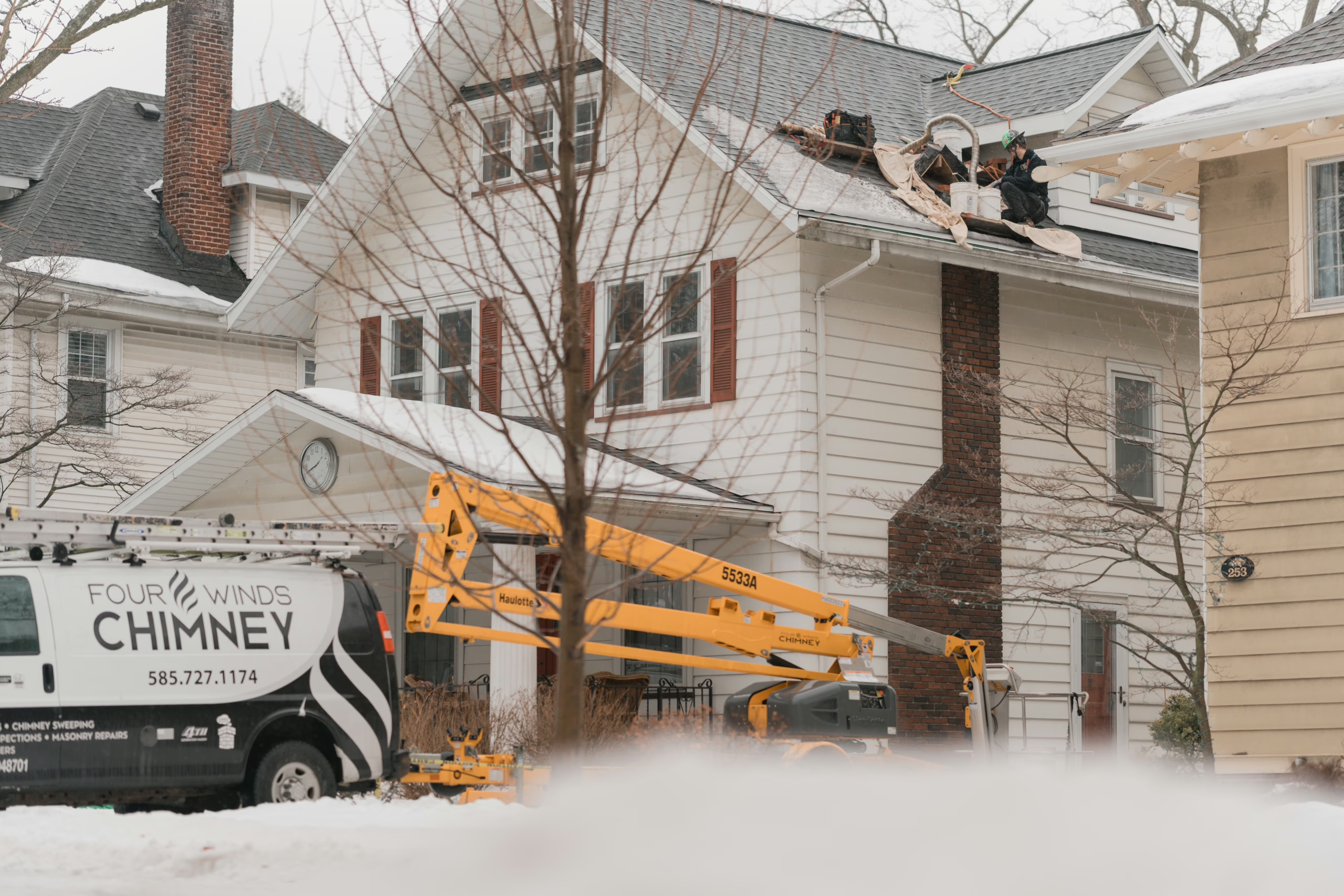
In Western and Central New York, homeowners are no strangers to tough weather. From heavy lake-effect snow in Buffalo and Rochester to freezing rain in Syracuse, our homes endure a lot each year. While most people think about protecting their roof, siding, or windows, few realize how vulnerable their chimney can be, especially at the very top.
The chimney crown, a slab of concrete that covers the top of your chimney, is your first line of defense against the elements. When cracks form in that crown, it may not look like a big deal, but left untreated, those small cracks can lead to major water damage, structural issues, and costly repairs.
What Is a Chimney Crown?
The crown is essentially the “roof” of your chimney. It’s designed to keep rain, snow, and melting ice from seeping down into the masonry below. A properly built crown is slightly sloped, so water naturally runs off instead of pooling on top.
In a region like Central and Western New York, where freeze-thaw cycles are relentless, this protection is critical. Without it, water intrusion can quickly destroy your chimney from the top down.
Why Do Chimney Crowns Crack in New York?
Our weather plays a huge role in crown damage. Here are the most common causes:
-
Freeze-thaw damage: Water seeps into tiny cracks in the crown. When temperatures drop it freezes and expands, causing the cracks to widen. This cycle happens dozens of times each winter around Rochester, Syracuse, and Buffalo.
-
Heavy snow and ice: The sheer weight of accumulated snow and ice puts stress on the crown, especially if it wasn’t built thick or strong enough.
-
Poor construction: Some crowns are made with weak mortar or built flat, which allows water to pool. These are especially vulnerable in wet climates.
-
Age and exposure: Even a well-built crown eventually deteriorates after years of rain, snow, and harsh summer sun.
No matter the cause, even the smallest cracks open the door to water infiltration, and water is the #1 enemy of chimney masonry.
The Big Consequences of a Small Crack
So what really happens if you ignore a cracked chimney crown? Unfortunately, the damage compounds quickly:
-
Waterlogged masonry
Once water gets past the crown, it soaks into the bricks and mortar below. Over time, the face of the brick can flake off (called spalling), leaving your chimney weak and unstable. -
Interior leaks
Meltwater can drip down into the chimney flue and fireplace. You might see water stains on ceilings near the chimney or rust forming on the damper. -
Damage to your home
Water doesn’t stop at the chimney. It can spread into attic insulation, drywall, and even hardwood floors near the hearth, leading to costly home repairs. -
Safety hazards
A crumbling crown can shed pieces of concrete, creating a falling hazard. In severe cases, crown failure compromises the chimney’s overall stability. -
Escalating repair bills
What starts as a $300–$500 repair today can quickly snowball into a $5,000–$10,000 chimney rebuild if ignored.
Spotting Crown Damage
Because your chimney crown sits high above the roofline, most homeowners can’t see damage without climbing up. But there are warning signs you can look for:
-
Water stains or peeling paint on ceilings near the chimney
-
Damp smells or water in the fireplace firebox
-
Crumbling mortar joints or brick faces on the chimney exterior
-
Rust on fireplace components, such as the damper or doors
The surest way to know? Schedule a professional chimney inspection. Certified chimney sweeps have the training and equipment to spot crown cracks before they spiral into bigger problems.
Repairing and Protecting Your Chimney Crown
At Four Winds Chimney, we see crown damage all the time across Central and Western New York. Thankfully, most issues can be repaired if caught early:
-
Re-crowning: If the crown is poorly built or severely damaged, we rebuild it to the proper thickness, slope, and strength.
-
Waterproofing treatments: Once repaired, applying a vapor-permeable waterproofing product keeps water out while allowing the masonry to “breathe.”
We also recommend chimney caps, which work with the crown to keep out water, animals, and debris. Together, these protective measures dramatically extend the life of your chimney.
Why Prevention Matters in Our Climate
In a region with long, snowy winters and plenty of freeze-thaw cycles, annual chimney inspections aren’t just recommended, they’re essential. Catching a crown crack in September can save you from a major leak by February.
Being proactive with chimney maintenance:
-
Keeps your home safe and dry
-
Preserves the structural integrity of your chimney
-
Saves you thousands in long-term repair costs
Here in Rochester, Syracuse, Buffalo, and the surrounding areas, our weather puts chimneys to the test. A cracked crown may seem minor, but it can quickly lead to serious—and expensive—damage if left untreated.
If you’ve noticed signs of water intrusion or it’s been more than a year since your last inspection, don’t wait until winter makes things worse. Contact Four Winds Chimney today to schedule an inspection. Our certified technicians will assess your crown, recommend any necessary repairs, and help protect your home for years to come.