
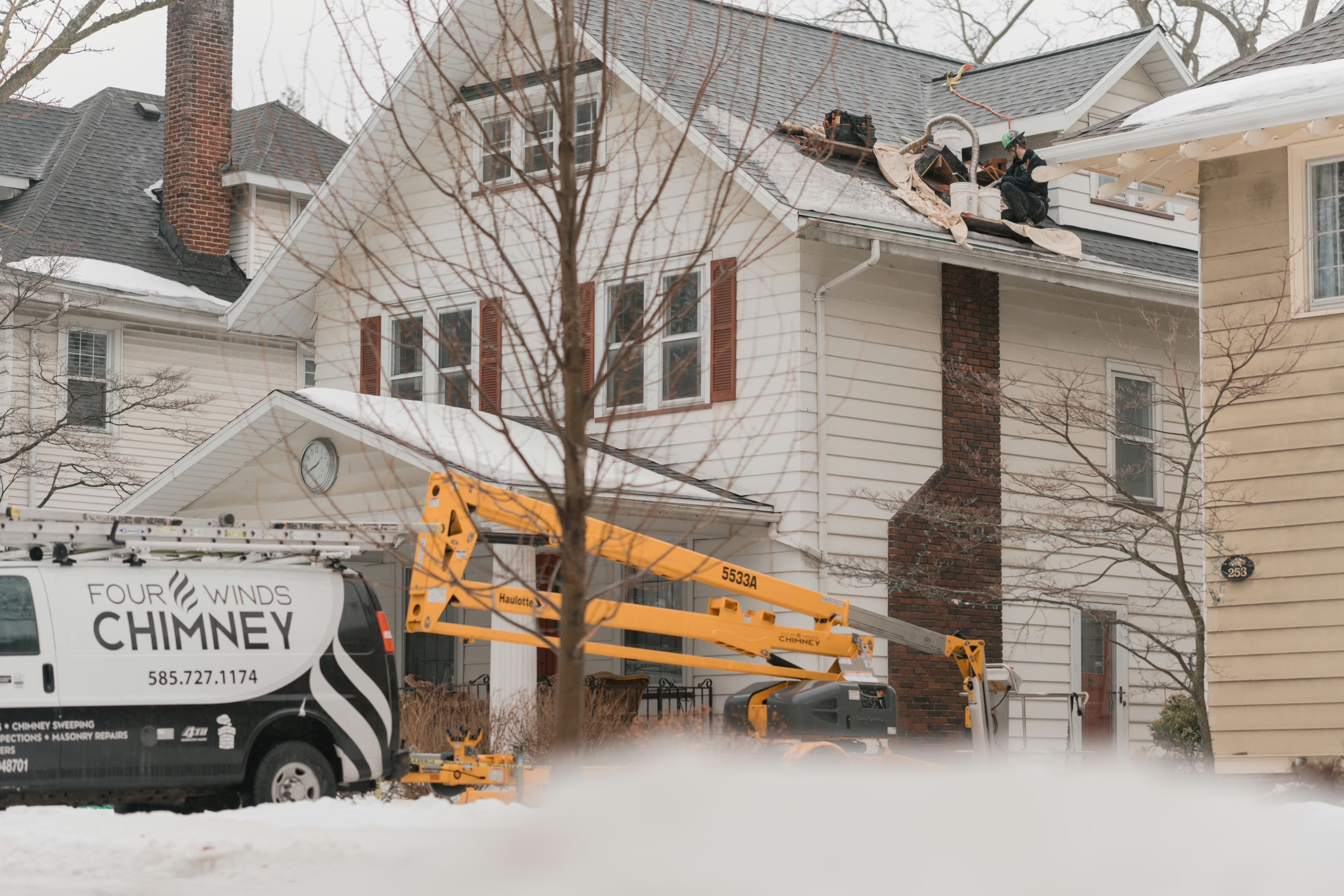
Chimney Risks During the Winter:
As the winter weather continues throughout Buffalo, Rochester, Syracuse, and Albany, many homeowners rely on their fireplaces and wood-burning systems for warmth. However, cold weather brings conditions that can increase chimney hazards, from hidden buildup inside your flue to problems caused by freezing temperatures outside. Understanding these risks now can help protect your home, your family, and your peace of mind all season long.
When temperatures drop, your chimney usage increases and several issues can occur. These issues may seem minor, but they can quickly turn into serious problems. A few potential issues your chimney could face include:
Creosote build-up becomes a bigger threat:
When wood burns, a sticky tar-like substance forms in chimneys called creosote, which is extremely flammable. Therefore, the buildup of creosote in flues poses a severe chimney fire risk, as well as respiratory issues. In the winter, since you are using your chimney more frequently it causes creosote to accumulate faster. Since creosote is highly flammable, even a modest amount of it can catch fire when the chimney heats up, potentially leading to a chimney fire that can spread beyond the flue if not caught early.
Watch for dark sticky spots or flakes inside the fireplace, a strong unpleasant odor when starting a fire, and smoke lingering in the home or rising slowly up the chimney. A professional cleaning before winter use of your chimney can ensure that creosote, soot, and debris are removed and that you are starting the season with a safe and clear flue.
Poor drafting can affect efficiency and safety:
Cold air is denser than warm air, which can make it harder for smoke and combustion gases to travel up the chimney. If your system does not draft properly, it can cause smoke to back up into the home or even force dangerous combustion gases indoors, like carbon monoxide. A blocked flue from creosote, animal nests, or debris makes this even worse.
Signs that your draft might be compromised include smoke entering the room instead of exiting, flames that burn unevenly, and soot or smoke stains around the hearth. An inspection by a certified chimney specialist can identify drafting problems and clear blockages you might not see from the inside of the house.
Freezing and thawing can damage chimney structures:
Winter cycles of freezing and thawing are not just hard on driveways and patios, but they can also take a toll on your chimney’s masonry. Water that seeps into small cracks can freeze, expand, and worsen the gaps. Over time, this can weaken bricks, joints, and even chimney caps. Once deterioration begins, moisture can penetrate deeper, leading to leaks and compromising your system’s safety.
Look for crumbling mortar joints, loose or spalling bricks, and see if your chimney crown or cap is damaged. Regular inspections can help catch early signs of war and allow for timely repairs rather than costly rebuilds later.
Blocked chimney openings from animals or debris:
Chimneys that have not been used in months or even longer can often become a home for small animals such as birds and squirrels. Nests, leaves, and other outside debris can restrict airflow impacting the chimney performance and can even create fire hazards.
A chimney cap with appropriate screening can help keep those small animals out and minimize the amount of access to debris from falling into your flue.
Be Prepared and Safe:
Winter chimney safety is all about preparation and regular maintenance. Remember to check your chimney caps and crowns for visible wear that can let water or animals in. Schedule a professional chimney inspection and cleaning, our sweeps can remove creosote and check for structural or drafting issues. Remove leftover ashes and inspect the dampers to make sure the air is flowing freely. Also, install carbon monoxide and smoke detectors near living areas and check them regularly.
Winter should be a season of comfort, not worry. By understanding the unique challenges that freezing weather brings to your chimney and taking steps to avoid the associated risks, you are protecting your home. It is important that you enjoy your fireplace with confidence. If it’s been a while since your last inspection or if you are noticing any signs of trouble, now is the perfect time to give us a call!
Contact Four Winds Chimney today to schedule an inspection. Our certified technicians will assess your chimney, recommend any necessary repairs, and help protect your home for years to come.

